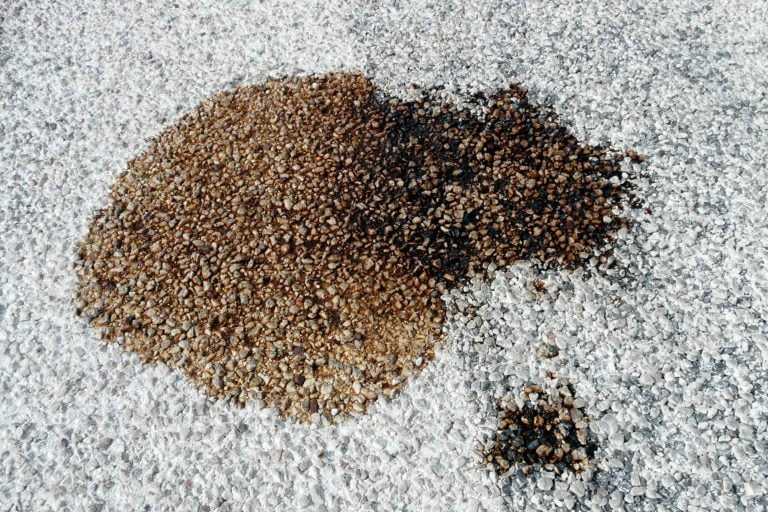
Quick Tips
- For fresh oil spots or puddles.
- Locate all oil stains.
- First defense for old oil stains.
- Second defense for old oil stains.
- Only as a last resort.
- Avoid this problem in the future.
I’m an American. You know what that means? Besides the fact that I’m fat? That means that I drive everywhere I go. I don’t give a gosh darn if my destination is only 2 ½ blocks away. I’m drivin’. In fact, the shorter the distance the better. I need to get there and I need to get there fast. Then I need to have kids so I can pass that mentality on to them. Then, the very day my kids turn 16, they’ll need to get a $400.00 car so that they can start driving everywhere. And the best part is that that $400.00 car will inevitably drip oil all over my driveway and garage. Then I’ll have to teach the kids how to clean oil so that someday they can pass that knowledge onto their own fat oil drippin’ kids.
I don’t mean to criticize, you see, I’m part of the problem. I’m working on it though. I actually just started getting my bike back in working order. The thing is, the usage of cars and trucks isn’t gonna be going anywhere anytime soon. And whether you’re driving that $400.00 boat or a nice new modern vehicle, it’s gonna drip and you’re gonna have to know how to clean up oil. I’m not gonna lie, if there’s a lot of it and it’s been there for a long time, it can be a pain. Uncoated concrete is very porous and can soak up oil like nobodies business. However, if the oil spill is relatively new, you can clean up oil pretty easily. Often times you can clean oil stains to the point where they are almost indistinguishable from the rest of the driveway.
How to Clean Driveway Oil
 For fresh oil spots or puddles. Many places sell stuff designed for absorbing oil spills. I’m here to tell you how ridiculously unnecessary they are. Of course they do work pretty well. But so do other things that you’ve probably got already. If you don’t already have them, I guarantee they’ll be cheaper. If you need to know how to clean oil from driveway surfaces that is still wet you’ll be pleased with this. All you need to do is scatter some sawdust, cheap ass litter or baking soda over the oil, allow it to sit for about 20 minutes and sweep it up.
 Locate all oil stains. If you are only concerned about a single oil spot, this step will seem pretty effin’ dumb to you. But, if you have a whole garage or driveway that you’re gonna be working on, this will be helpful. The easiest way to find all the oil stains is to simply grab the garden hose and start spraying. Since oil repels water and gets shiny when wet, it makes finding all the spots pretty easy. Walk systematically around the area you sprayed and mark the stains by placing rocks or something around them or in their center.
 First defense for old oil stains. Once you’ve found all your oil spots and the driveway has dried it’s time to get to work. Litter (or K-Sorb) also works pretty well on old driveway oil. Using the least expensive, non-clumping litter you can find, sprinkle a healthy amount of it onto the oil stain. Once it’s completely covered, put on a pair of boots and start walking on the stuff. Grind it into the stain as much as possible and spread it around real good. Once that’s done, let it sit for about an hour and sweep it all up. Repeat if you feel it necessary.
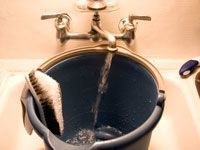 Second defense for old oil stains. This isn’t quite as fun as the litter method but we do what we gotta do right? Right. Alright. Here we go. Grab yourself a bucket and fill it about half way up with hot water. Bearing in mind that you’ll probably have to put your hand in it, make the water as hot as you can. Commandeer either some dish or laundry detergent and mix a bunch of it in and stir it up all good and proper like. Now, using a stiff bristled brush, get to work. Scrub for as long and as hard as you can stand (you only wanna have to do this once). Rinse with fresh water. Don’t use a wire brush, if bristles come off they will rust and leave rust stains on your driveway.
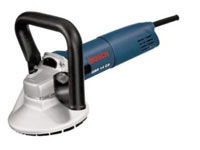 Only as a last resort. Sometimes, try as you might, those oil stains are just way more persistent than you are. In cases like this, you may want to consider getting or renting a concrete grinder. You generally don’t have to grind away a whole lot of the surface. Just make sure to wear proper safety gear. You should also keep a can of air nearby so you can blow the dust away so you can keep an eye on your progress. This way you’ll know when to stop grinding. Once done, grab some cement patch from the hardware store so you can even things out again.
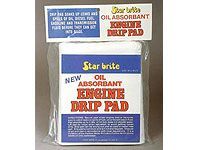 Avoid this problem in the future. The easiest and cheapest way to do this is to just get a big ol’ piece of cardboard to park your car over. It’ll catch the drips. They also make special oil absorbent pads that do tend to work better. Perhaps the best thing you can do is to seal your driveway or garage floor. That way you fill all those pores and any spilled oil can just be wiped up. If you didn’t get as much of the stains up as you would have liked, you might consider, just to even the coloring out, staining the concrete before you seal it.
Old School Oil Cleaning
There are other answers for how to clean oil stains. You’ve probably had to listen to the old duffer across the street tell you, for at least a half an hour, about a dozen other methods for cleaning oil that work better than the ones you’re using. The problem is, besides the fact that the don’t really work any better, is that those other methods generally include the use of caustic chemicals or environmentally harmful substances. People very often use things like muriatic acid and tri-sodium phosphate (TSP) for cleaning oil. Muriatic acid is nothing more than hydrochloric acid. Besides being one of the special ingredients in acid rain, muriatic acid can burn your skin and eyes and mess up your throat and lungs. TSP, besides doing very similar things to your body as muriatic acid, adds extremely unneeded phosphates to waterways. Some people also say to use things like WD40 and paint thinner which are petroleum distillates. The dangers from these should require no explanation.
While there are a number of products available for purchase (Red Devil Garage & Driveway Cleaner, Pour-N-Restore, Oil Eater, etc.) that are marketed towards people looking for how to remove oil, I strongly recommend that you first try one of the methods found in this article. Not only are they safer for you and the environment, they’re a hell of a lot cheaper and they really do work.
How to Remove Oil Naturally
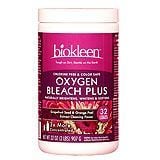 Oxygen bleach.This stuff rocks. Just mix it in a bucket according to directions, pour it into a sprayer, spray it on your oil stains, and let it sit for about twenty minutes. Rinse it off to check your work. Repeat if necessary. Oxygen bleach is nothing more than supercharged hydrogen peroxide. You can order Biokleen Oxygen Bleach Plus from Amazon.
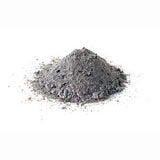 Wood ash. If you don’t have any on hand, this will give you a really good excuse to invite some people over and have a backyard bonfire. After the fire, once everything is nice and cool, collect some of the ashes, sprinkle them over the oil stain, grind ’em in with your boot, let it sit for 24 hours and sweep it all up.
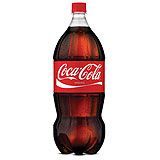 Coca-Cola. OK, OK so this stuff isn’t so natural. But it is a lot safer than a lot of other things out there. I’ve never tried this method but it is purported to work pretty well. Pour a can of Coke on the oil or grease stain and let it sit over night. In the morning, scrub the spot with soap and hot water and rinse it down.